
Ikea Strategy Ditches the Dream Home for the Daily Grind http://nyti.ms/2e2wBA6
3 TVs and No Food: Growing Up Poor in America http://nyti.ms/2dSUdXV
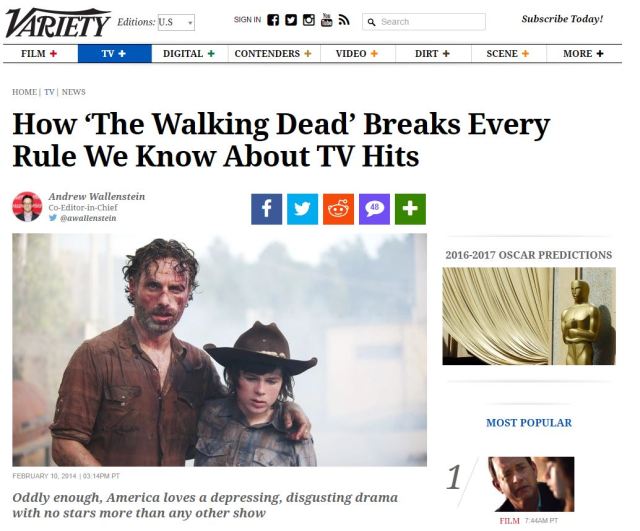
For the last 7 years “The Walking Dead” has reigned over TV ratings among the 18-49 year old market segment. Why? Why would young Americans want to watch something like this? There isn’t sex in this show and there is plenty of horror or gore in other places. Why are especially the young fascinated by it?
A Felt Denial of Apocalypse
The American Dream says that you can have it all.
These are the credos of our culture. The omnipresent advertising industry is always suggesting to us that everything is great. All we need is that one additional item or product they are promoting and all will be well.
We are told in countless times and in countless ways that if you “follow the rules”, if you work hard, if you are moral and kind THEN
On a deep level, however, we all know that none of this is true.
In past weeks I’ve outlined a lot of the data that suggests that the truth about life, even in the most affluent, powerful, stable and secure country in the world, is in fact hard, unreliable, unpredictable, and will end in you losing everything you’ve ever worked for or tried to secure. The age of decay always wins.
Even if we can’t publicly expose the Big Lie to one another, we indulge secretly in the revelation of the truth, identifying with the characters in these apocalyptic stories, wondering what we would do, or what we will do, when all of the pretense of control and security is stripped away.
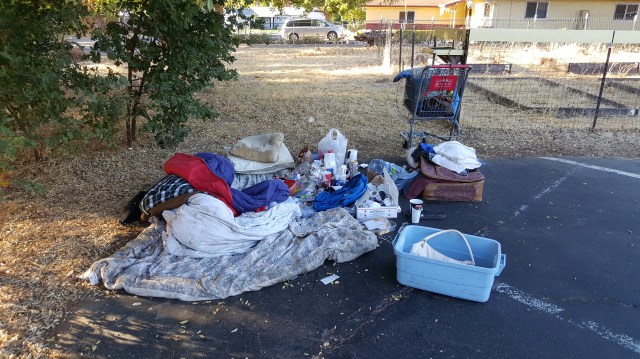
On my Facebook page I regularly post pictures and stories of the homeless in my community. I find these to be the most popular postings I create. Why? I think we are fascinated, drawn to and horrified by this existence for the same reason people love The Walking Dead. We know that with just a few twists of fortune it could be us sleeping on the streets or suffering from insanity.
The Inadequacy of All That’s Possible Continue reading


Why Equality and Authority have become such enemies and which one must finally lose
Part of the matrix of our current conflicts is the relationship between equality, law, authority and shalom.
One of the implicit questions we bring to the Bible in this age of changing standards is “can we discern the will of God by watching the decisions of God revealed in Biblical narratives.”
I’ve been writing a lot about Saul and David. One thing that bothers many of us when we read this is the question of fairness. Saul seems pretty much doomed. Samuel seems out to get him. We try to discern the difference between an obviously cursed Saul and an obviously charmed David. God (and Samuel) simply don’t seem to play fair. How do the sacrifice and Agag incidents disqualify Saul but the Ziklag and Uriah incidents not disqualify David?
The best final answer seems to be “that’s God’s business” and we are left to see if we can live with that. “Living with that” is, however, a pretty big deal because it seem to come down a decision on whether we really want to live with God for eternity or whether we would rather shut ourselves up from him and all his benefits forever, in other words hell.
What we’re really coming down to is the question of trusting authority. We’re also getting into some old theological/philosophical weeds in terms of questions like “is God good because he meets the standards of justice or is God good because he defines the standards of justice?” but I don’t want to go too far down that road right now.
Implicit within our cultural moment are some pretty massive assumptions and presumptions that we’ve got a handle on justice, equality and fairness and we’re ready to judge God or at least the God of the Bible on these things. I think this is also connected to Charles Taylor’s buffered self and how impressed we have become with our power over nature (think Tower of Babel).
When it comes to how we play with the structures around us, like the church, these tensions quickly come into play.
Divorce/Remarriage, Women, LGBTQ…K Continue reading →